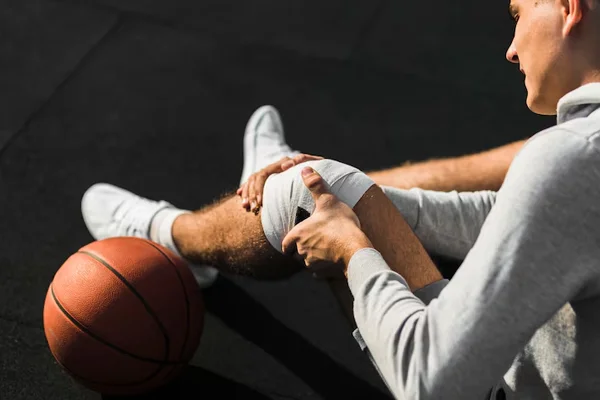
Sports and physical activities are excellent for maintaining strength, fitness, and overall wellbeing, but injuries can occur during training, competition, exercise, or recreational activities. From muscle strains and sprains to ligament injuries and joint problems, timely assessment is important for understanding the extent of an injury and planning appropriate treatment.
Dr. Ranjeev Joshi provides comprehensive sports injury care in Uttam Nagar for athletes, fitness enthusiasts, and active individuals experiencing sports-related bone, joint, muscle, ligament, and tendon problems. Treatment is tailored according to the type and severity of the injury, the patient's activity level, and their recovery goals.
Sports injuries are injuries that occur during physical activity or exercise. They may develop suddenly because of a fall, collision, twisting movement, or impact, or they may develop gradually due to repetitive stress and overuse.
Common sports injuries include:
Some injuries may appear minor initially but can become more problematic if ignored or if activity is resumed too quickly.
Depending on the type of injury, symptoms may include:
An orthopaedic evaluation can help determine whether the symptoms are related to a muscle, ligament, tendon, bone, or joint problem.
The anterior cruciate ligament (ACL) is one of the important stabilising ligaments of the knee. ACL injuries can occur during sports involving sudden changes in direction, jumping, landing, or rapid deceleration.
Patients may experience a popping sensation, knee swelling, instability, or difficulty continuing physical activity after an ACL injury.
Treatment depends on factors such as the severity of the tear, knee stability, activity level, age, and functional requirements. Depending on the individual case, treatment may involve rehabilitation and strengthening or surgical reconstruction when appropriate.
Muscle strains can occur when muscles are overstretched or subjected to excessive force. Tendon injuries may develop from sudden trauma or repeated overuse.
Treatment depends on the affected structure and severity of the injury. Rest from aggravating activities, appropriate medication, physiotherapy, rehabilitation, and gradual return to activity may form part of the treatment plan.
Persistent pain should be evaluated rather than repeatedly training through the injury.
The knee is particularly vulnerable during running, jumping, football, cricket, basketball, gym workouts, and other activities involving repetitive movement or sudden changes in direction.
Sports-related knee problems may involve:
A detailed assessment can help identify the underlying problem and determine an appropriate treatment approach.
Accurate diagnosis is an important part of sports injury management. Dr. Ranjeev Joshi evaluates the patient's symptoms, injury mechanism, physical condition, and activity requirements.
Depending on the suspected injury, investigations such as X-rays, MRI scans, or other diagnostic tests may be recommended.
Imaging can help assess bones and soft tissues and may be particularly useful for suspected ligament, tendon, cartilage, or complex joint injuries.
Treatment depends on the injury and its severity. Common approaches may include:
Many sports injuries can initially be managed without surgery. Treatment may involve activity modification, medication, physiotherapy, strengthening exercises, and rehabilitation.
A structured rehabilitation programme can help restore strength, flexibility, balance, joint stability, and movement. The rehabilitation plan should be appropriate for the injury and the patient's activity level.
Certain severe injuries, including selected ligament tears, unstable fractures, or significant joint damage, may require surgical treatment. The decision depends on the specific injury, symptoms, functional requirements, and clinical assessment.
Returning to sports too quickly after an injury can increase the risk of further problems. Recovery should focus not only on reducing pain but also on restoring strength, flexibility, balance, coordination, and functional movement.
Depending on the injury, rehabilitation may progress through several stages:
The timeline varies considerably from one injury to another.
An orthopaedic evaluation may be appropriate if you experience:
Prompt evaluation can help determine the extent of the injury and reduce the risk of returning to activity without adequate recovery.
Patients looking for sports injury treatment in Uttam Nagar can consult Dr. Ranjeev Joshi for assessment and personalised treatment planning. The clinic provides orthopaedic evaluation for sports-related injuries affecting the bones, joints, muscles, ligaments, and tendons.
The clinic is conveniently located in Uttam Nagar, Delhi, and serves patients from nearby areas including Dwarka, Janakpuri, Vikaspuri, Tilak Nagar, and other parts of West Delhi.
Dr. Ranjeev Joshi takes a patient-focused approach to sports injury care, considering the nature of the injury, physical demands, lifestyle, and recovery requirements of each individual.
Treatment planning focuses on:
Sprains, strains, ligament injuries, and joint problems are among the common sports-related injuries. The type of injury varies according to the sport and activity.
Some ACL injuries and certain patients may be managed with rehabilitation and strengthening, while others may benefit from surgical reconstruction. The appropriate approach depends on the individual injury and functional requirements.
Continuing an activity that causes or worsens pain may aggravate an injury. It is advisable to have persistent or significant pain assessed by an appropriate healthcare professional.
Recovery depends on the type and severity of the injury, treatment approach, rehabilitation, and individual factors. There is no single recovery timeline for all sports injuries.
Return to sports should generally be gradual and based on recovery of movement, strength, stability, and function. Your doctor or rehabilitation professional can guide you according to your specific injury.
Whether you are an athlete, fitness enthusiast, or simply active in your daily life, an untreated sports injury can interfere with movement and performance. Proper diagnosis and a structured recovery plan can help you return to activity safely.
Dr. Ranjeev Joshi provides sports injury care in Uttam Nagar, Delhi, for ligament injuries, ACL problems, muscle strains, joint injuries, fractures, and other sports-related orthopaedic conditions.
Schedule a consultation for a detailed evaluation and personalised treatment guidance.


Write a Reply or Comment