Bone, joint, muscle, and ligament problems can affect people of all ages. A minor injury, persistent joint pain, stiffness, or difficulty with movement may sometimes indicate an underlying orthopaedic condition that needs professional evaluation. A timely general orthopaedic consultation in Uttam Nagar can help identify the possible cause of your symptoms and determine the appropriate treatment approach.
Dr. Ranjeev Joshi provides comprehensive orthopaedic consultations for patients experiencing a wide range of musculoskeletal concerns. His approach focuses on understanding the patient's symptoms, medical history, lifestyle, and functional requirements before developing an individualised treatment plan.
A general orthopaedic consultation involves the evaluation of conditions affecting the musculoskeletal system, including bones, joints, muscles, ligaments, tendons, and related structures.
During a consultation, the doctor may assess:
Depending on the symptoms and examination findings, diagnostic investigations may be recommended to understand the condition more clearly.
Dr. Ranjeev Joshi provides consultation for various orthopaedic conditions, including:
Knee, hip, shoulder, ankle, elbow, and other joint pain may occur due to arthritis, injury, overuse, or degeneration. A detailed evaluation can help identify the likely cause and suitable treatment options.
Arthritis can cause pain, stiffness, swelling, and reduced joint movement. Treatment depends on the type and severity of arthritis and may include conservative management, rehabilitation, medication, or surgery in selected advanced cases.
Fractures can occur following falls, accidents, sports injuries, or direct trauma. Orthopaedic assessment helps determine the type and severity of the fracture and whether immobilisation or surgical fixation may be appropriate.
Sports and physical activities can lead to sprains, muscle strains, ligament injuries, ACL tears, and other musculoskeletal problems. Appropriate diagnosis and rehabilitation can help support recovery and a safe return to activity.
Back and musculoskeletal pain can have multiple causes. An orthopaedic assessment can help determine whether symptoms are related to the spine, muscles, joints, previous injury, or another condition requiring further evaluation.
You may benefit from an orthopaedic consultation if you experience:
A consultation does not necessarily mean that surgery will be required. Many orthopaedic conditions can be managed through non-surgical approaches depending on the diagnosis.
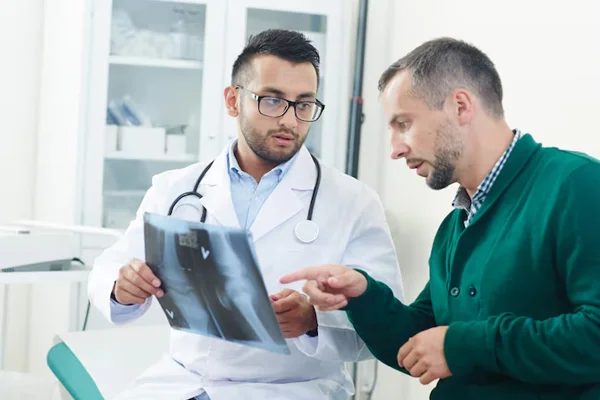
A general orthopaedic consultation typically begins with a discussion about your symptoms and medical history. Dr. Ranjeev Joshi may ask about when the pain started, what activities make it worse, whether an injury occurred, and how the symptoms affect your daily routine.
A physical examination may then be performed to assess movement, strength, tenderness, swelling, and joint stability.
If further evaluation is required, diagnostic tests such as X-rays, MRI scans, CT scans, or blood investigations may be recommended depending on the suspected condition.
After evaluating the available information, treatment options can be discussed with the patient.
Not every orthopaedic condition requires surgery. Depending on the diagnosis, treatment may include:
The treatment plan is determined according to the patient's specific condition and medical requirements.
Surgery may be considered when there is significant structural damage, an unstable fracture, severe joint degeneration, or another condition that is unlikely to respond adequately to conservative treatment.
Procedures may include fracture fixation, ligament surgery, arthroscopic procedures, or joint replacement depending on the diagnosis.
Dr. Ranjeev Joshi discusses the available treatment options with patients so that they can understand the potential benefits, limitations, recovery requirements, and alternatives before making an informed decision.
Ignoring persistent musculoskeletal symptoms may allow a condition to progress or interfere increasingly with everyday activities. Early assessment can help identify the underlying issue and establish an appropriate management plan.
Orthopaedic evaluation can also be useful for people recovering from injuries, managing chronic joint problems, or experiencing a gradual decline in mobility.
Patients searching for a general orthopaedic consultation in Uttam Nagar can consult Dr. Ranjeev Joshi for evaluation of bone, joint, muscle, ligament, and sports-related concerns.
The clinic provides personalised orthopaedic care for patients from Uttam Nagar and nearby areas including Dwarka, Janakpuri, Vikaspuri, Tilak Nagar, and other parts of West Delhi.
Whether you need an evaluation for a new injury, ongoing joint pain, arthritis, or reduced mobility, a professional assessment can help you understand your condition and available treatment options.
Dr. Ranjeev Joshi follows a patient-focused approach to orthopaedic care, with emphasis on accurate evaluation and personalised treatment planning.
Patients can expect:
An orthopaedic doctor treats conditions involving bones, joints, muscles, ligaments, tendons, and other musculoskeletal structures.
Referral requirements can vary depending on the healthcare setting. Patients can contact the clinic directly to understand the consultation process.
Bring previous medical records, relevant imaging reports, prescriptions, and information about previous injuries or surgeries if available.
Not every patient needs imaging. Your doctor may recommend an X-ray or another investigation if it is clinically useful for understanding your symptoms.
No. Many orthopaedic conditions can be managed without surgery. Surgery is considered only when it is appropriate for the specific condition.
Persistent pain, restricted movement, or an injury should be evaluated when it begins affecting your daily activities. Dr. Ranjeev Joshi provides general orthopaedic consultation in Uttam Nagar, Delhi, for a wide range of bone, joint, muscle, ligament, arthritis, fracture, and sports-related conditions.
Schedule a consultation to discuss your symptoms and understand the treatment options suitable for your individual condition.


Write a Reply or Comment