
Pregnancy and childbirth are important stages that require regular medical care, proper monitoring, and informed decisions. Every pregnancy is different, and the method of delivery depends on several factors, including the mother's health, baby's position, pregnancy progression, and any complications that may develop. Dr. Vandana Sharma provides pregnancy and childbirth care in Uttam Nagar, helping expectant mothers understand their delivery options and prepare for a safe and comfortable childbirth experience.
Whether a normal delivery or Caesarean delivery is recommended, appropriate antenatal monitoring can help identify potential concerns and support timely medical decisions. Expecting mothers from Uttam Nagar and nearby areas such as Dwarka, Janakpuri, Vikaspuri, Nawada, and Tilak Nagar can seek professional guidance throughout pregnancy and delivery planning.
Normal delivery, also called vaginal delivery, is a method in which the baby is delivered through the birth canal without major surgical intervention. When pregnancy progresses normally and there are no medical reasons requiring a Caesarean section, vaginal delivery may be considered.
The process generally involves labour contractions, cervical dilation, delivery of the baby, and delivery of the placenta. The duration and experience of labour can vary from one woman to another.
Regular antenatal check-ups, monitoring of maternal health, and assessment of the baby's growth and position are important for determining whether vaginal delivery may be suitable.
A Caesarean delivery, commonly known as a C-section, is a surgical procedure in which the baby is delivered through an incision made in the mother's abdomen and uterus.
A Caesarean may be planned in advance or performed during labour if a medical situation makes vaginal delivery unsafe or difficult. Some common reasons may include certain fetal positions, placenta-related concerns, previous uterine surgery, prolonged or complicated labour, fetal distress, or other maternal and pregnancy-related conditions.
The decision for a C-section is based on individual medical circumstances. It is not suitable or necessary for every pregnancy.
A Caesarean delivery may be considered when the doctor believes that it is safer for the mother, baby, or both. Possible situations include:
The need for a C-section can sometimes be identified before labour, while in other cases, the decision may need to be made during labour.
Good pregnancy and delivery care can help expectant mothers understand what to expect before childbirth. Regular consultations allow the doctor to monitor the mother's health and baby's development and identify concerns that may influence delivery planning.
Important benefits include:
The aim is not simply to choose between normal and Caesarean delivery but to determine the safest approach based on the individual pregnancy.
During normal delivery, labour usually begins with contractions that gradually become stronger and more frequent. The cervix progressively opens to allow the baby to pass through the birth canal.
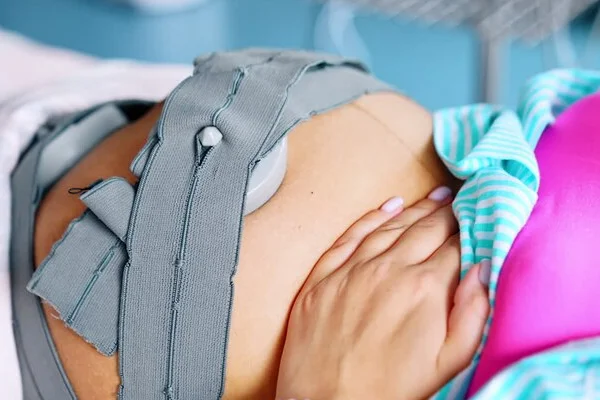
Medical professionals monitor the mother and baby during labour. Depending on the situation, monitoring may include checking vital signs, contractions, and fetal heart rate.
After the baby is delivered, the placenta is also delivered. The mother is then monitored during the immediate recovery period.
Every labour experience is different, and the healthcare team may recommend appropriate interventions if a concern develops during the process.
During a Caesarean delivery, the mother is prepared for surgery and appropriate anaesthesia is administered. The surgeon makes an incision in the abdomen and uterus to deliver the baby. After delivery, the incisions are carefully closed.
Recovery after a C-section generally requires more time than recovery after an uncomplicated vaginal delivery because it is an abdominal surgical procedure. Mothers are advised to follow their doctor's instructions regarding wound care, activity, medication, nutrition, and follow-up visits.
Some women may experience discomfort around the incision area, tiredness, or difficulty with certain movements during the early recovery period. Proper rest and post-operative care can support recovery.
Antenatal care plays an important role in preparing for childbirth. Regular pregnancy consultations can help track the mother's health and the baby's growth while allowing potential concerns to be addressed early.
Depending on the stage and requirements of pregnancy, consultations may include physical assessments, blood pressure monitoring, ultrasound examinations, blood tests, and other investigations when medically indicated.
Expectant mothers should discuss any unusual symptoms, concerns, previous pregnancy history, or existing medical conditions with their doctor.
Care does not end after the baby is delivered. Postpartum follow-up is important for monitoring the mother's physical recovery and addressing concerns that may arise after childbirth.
After a normal delivery or Caesarean delivery, mothers may receive guidance regarding:
Emotional wellbeing is also an important part of postpartum care. New mothers should discuss persistent concerns or difficulties with their healthcare provider.
Choosing the right doctor for pregnancy and childbirth care can make the journey more organised and reassuring. Dr. Vandana Sharma provides personalised guidance for expectant mothers in Uttam Nagar, with attention to pregnancy monitoring, delivery planning, and postpartum care.
Each pregnancy is assessed individually rather than following a single approach for every patient. Whether normal delivery is appropriate or a Caesarean becomes medically necessary, patients can receive guidance about the available options and the factors involved in delivery decisions.
For women looking for normal and Caesarean delivery care in Uttam Nagar, professional consultation can help them understand their pregnancy, prepare for childbirth, and make informed decisions with their healthcare provider.
Neither method is universally better. The safest delivery method depends on the mother's health, baby's condition, pregnancy progression, and other medical factors.
In some cases, vaginal birth after Caesarean may be considered. Suitability depends on individual medical history and should be evaluated by the treating doctor.
A C-section may be recommended when vaginal delivery could pose a significant risk to the mother or baby or when labour does not progress safely.
Regular antenatal visits, following medical advice, maintaining appropriate physical activity when permitted, eating a balanced diet, and attending recommended pregnancy check-ups can help prepare for childbirth.
Recovery varies from person to person. Since a C-section is major abdominal surgery, following post-operative instructions and attending follow-up appointments is important.
Regular antenatal consultations are recommended throughout pregnancy. Immediate medical attention may be required for symptoms such as significant bleeding, severe abdominal pain, leaking fluid, severe headache, reduced fetal movement, or other concerning symptoms.
Expectant mothers in Uttam Nagar can consult Dr. Vandana Sharma for pregnancy monitoring, delivery planning, and guidance regarding normal or Caesarean delivery based on individual medical needs.


Write a Reply or Comment