
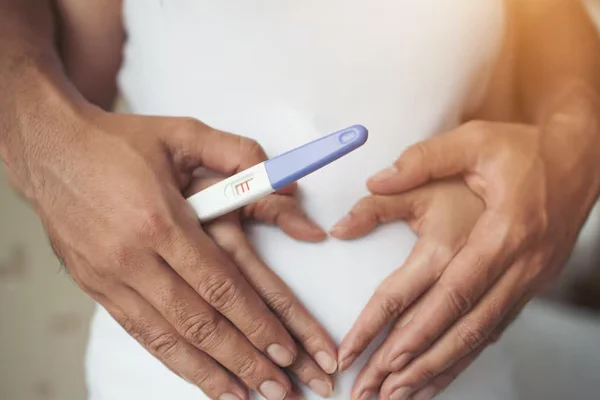
Starting a family is an important goal for many couples, but conceiving may sometimes take longer than expected. Difficulty in achieving pregnancy can be related to several factors affecting either partner, and identifying the possible cause is an important part of fertility care. Dr. Vandana Sharma provides infertility evaluation and treatment in Uttam Nagar, offering personalised consultation, appropriate investigations, and fertility guidance based on individual needs.
Infertility evaluation is not limited to one test or one treatment. A detailed assessment helps understand medical history, menstrual and reproductive health, previous pregnancies, lifestyle factors, and other conditions that may influence fertility. Based on the findings, an appropriate treatment approach can be discussed.
Infertility generally refers to difficulty achieving pregnancy despite regular unprotected sexual intercourse over a period of time. Fertility can be influenced by factors affecting ovulation, the reproductive organs, hormones, sperm health, age, or a combination of factors.
Sometimes, a clear cause may be identified, while in other cases, no specific cause is immediately found. A proper medical evaluation helps determine the next appropriate steps.
Both partners may need to be evaluated because fertility can involve factors related to either or both partners.
Couples may consider seeking medical advice when pregnancy has not occurred despite regular attempts. Earlier evaluation may be appropriate for women with irregular or absent periods, known reproductive conditions, previous pelvic surgery, recurrent pregnancy loss, or other factors that may affect fertility.
Age can also influence fertility, so women planning pregnancy should discuss their individual circumstances with a healthcare professional, particularly if conception is taking longer than expected.
A consultation can help determine whether investigations are needed and what the next steps should be.
Female infertility can have several possible causes. These may include:
Not every woman with fertility difficulties has one of these conditions. A detailed assessment is necessary to identify the factors that may be relevant in an individual case.
A fertility evaluation usually begins with a detailed consultation. Dr. Vandana Sharma may review menstrual history, previous pregnancies, duration of attempts to conceive, medical conditions, medications, previous surgeries, and other relevant information.
Depending on the individual situation, investigations may include:
Regular ovulation is important for conception. Menstrual history and appropriate investigations can help assess whether ovulation is occurring regularly.
Blood tests may be recommended to assess certain hormones involved in reproductive health and ovulation. The specific tests depend on the patient's symptoms and medical history.
Pelvic ultrasound may help evaluate the uterus and ovaries and identify certain structural or ovarian abnormalities. In selected cases, follicular monitoring may also be recommended to track follicle development and ovulation.
The fallopian tubes play an important role in natural conception. If clinically appropriate, the doctor may recommend investigations to assess whether the tubes are open.
Sperm health is also an important part of fertility assessment. Depending on the circumstances, the male partner may be advised to undergo a semen analysis or consult an appropriate specialist.
Treatment depends on the underlying cause, age, duration of infertility, previous treatment, and results of the fertility evaluation. There is no single treatment that is appropriate for every couple.
Possible approaches may include:
The recommended approach is based on individual assessment rather than using the same treatment for every patient.
Problems with ovulation can make conception more difficult. Irregular periods may sometimes indicate irregular ovulation, although menstrual patterns alone cannot always determine whether ovulation is occurring.
If an ovulation-related concern is identified, the doctor may recommend appropriate investigations and treatment. In selected cases, monitoring follicular development can provide useful information about the ovulatory cycle.
Treatment should be medically supervised because fertility medicines may require monitoring and dose adjustments.
PCOS is a common hormonal condition that can affect menstrual cycles and ovulation. Some women with PCOS may experience difficulty conceiving because ovulation is irregular.
Fertility management for women with PCOS may involve lifestyle changes, management of associated health concerns, ovulation-focused treatment, and monitoring where appropriate.
A diagnosis of PCOS does not automatically mean that pregnancy is impossible. Fertility care should be individualised according to the woman's symptoms and reproductive goals.
Lifestyle factors can influence general reproductive health. Maintaining a healthy weight, eating a balanced diet, staying physically active as appropriate, avoiding tobacco and recreational drugs, limiting alcohol, managing stress, and getting adequate sleep can support overall health.
Couples trying to conceive should discuss supplements, medications, existing health conditions, and lifestyle concerns with their healthcare provider.
Lifestyle changes alone may not resolve every fertility problem, particularly when an underlying medical or structural condition is present.
Some couples may require more advanced fertility evaluation or treatment if pregnancy does not occur after initial management or if a specific fertility problem is identified.
Depending on the situation, a patient may be referred to a fertility specialist or assisted reproductive technology centre for further evaluation. The decision depends on factors such as age, ovarian reserve, tubal status, sperm health, duration of infertility, and previous treatment.
A step-by-step approach can help couples understand their options before moving to more advanced treatments.
Fertility concerns can be emotionally and physically challenging, making clear communication and personalised medical guidance important. Dr. Vandana Sharma provides infertility evaluation and treatment in Uttam Nagar, focusing on understanding each patient's medical history and fertility-related concerns.
The evaluation may involve assessment of menstrual patterns, ovulation, reproductive health, previous pregnancy history, and other relevant factors. Based on the findings, appropriate investigations and treatment options can be discussed.
Couples looking for infertility evaluation and treatment in Uttam Nagar can consult Dr. Vandana Sharma for professional fertility guidance and an individualised treatment plan.
Couples who have been trying to conceive without success should consider medical evaluation. Earlier consultation may be appropriate when there are irregular periods, known reproductive problems, previous pelvic surgery, recurrent pregnancy loss, or other fertility concerns.
Yes. Fertility difficulties can involve female factors, male factors, or both. Evaluating both partners may help provide a more complete understanding of the situation.
Depending on individual needs, evaluation may include hormonal blood tests, pelvic ultrasound, ovulation assessment, tubal evaluation, and semen analysis.
PCOS can affect ovulation and menstrual regularity, which may make conception more difficult for some women. Appropriate treatment and fertility management can be considered after evaluation.
No. Treatment depends on the underlying cause, age, medical history, fertility test results, and other individual factors.
Some fertility problems can be managed with medication, lifestyle changes, ovulation management, or monitoring. However, treatment depends on the specific cause and may sometimes require further procedures or specialist care.
Couples looking for infertility evaluation and treatment in Uttam Nagar can consult Dr. Vandana Sharma for personalised fertility assessment, guidance, and treatment planning.


Write a Reply or Comment